The Photo Booth Is Not a Gimmick
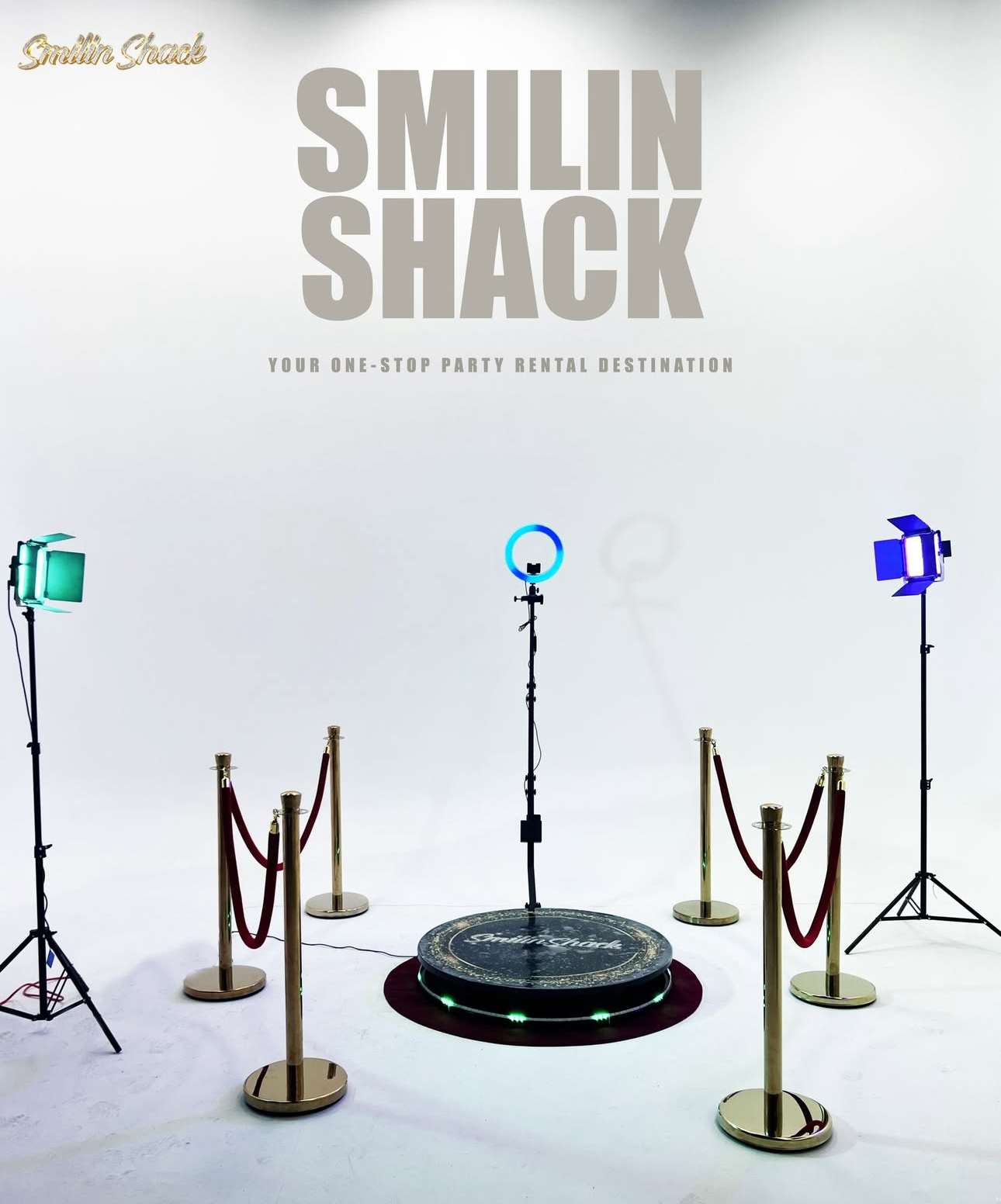
Most people misunderstand what a photo booth does.
They think it is a toy. A side activity. Something to keep guests busy while the “real” event happens elsewhere. That interpretation is wrong. A photo booth is not entertainment. It is a memory-capture system and a marketing device disguised as furniture.
At any event, attention is fragmented. People talk, walk, check their phones, leave early. Very little of it becomes durable memory. A photo booth forces a pause. It creates a bounded moment: step in, choose a pose, press a button, wait for the result. That sequence is a psychological trapdoor. Once someone commits to it, they care about the outcome. That care is what turns a moment into a memory.
The second function is social transmission. A printed strip or a digital copy is not just a souvenir. It is a portable proof that the person was there. It gets pinned to a wall, sent in a group chat, posted online. Each share is a delayed echo of the event. The booth outlives the party.
Good photo booths are not defined by cameras or props. They are defined by friction management. The interface must be obvious. The feedback must be fast. The result must be flattering enough that people want to keep it. If any of these fail, usage collapses.
Bad photo booths try to impress with complexity. More buttons, more options, more steps. This is self-sabotage. The optimal booth feels boring to explain and irresistible to use.
From a business perspective, the booth is a distribution engine. Every printed photo is an ad someone willingly carries. Every shared image is a referral that does not look like one. This only works if the branding is integrated, not pasted on as an afterthought.
From a personal perspective, the booth does something else: it creates a record of who people were together, not just what happened. Ten years later, nobody cares about the schedule or the speeches. They care about faces, proximity, and evidence of shared time.
The conclusion is simple. If you treat a photo booth as decoration, you get decoration-level results. If you treat it as an interface for memory and distribution, it becomes one of the highest-leverage objects in the room.